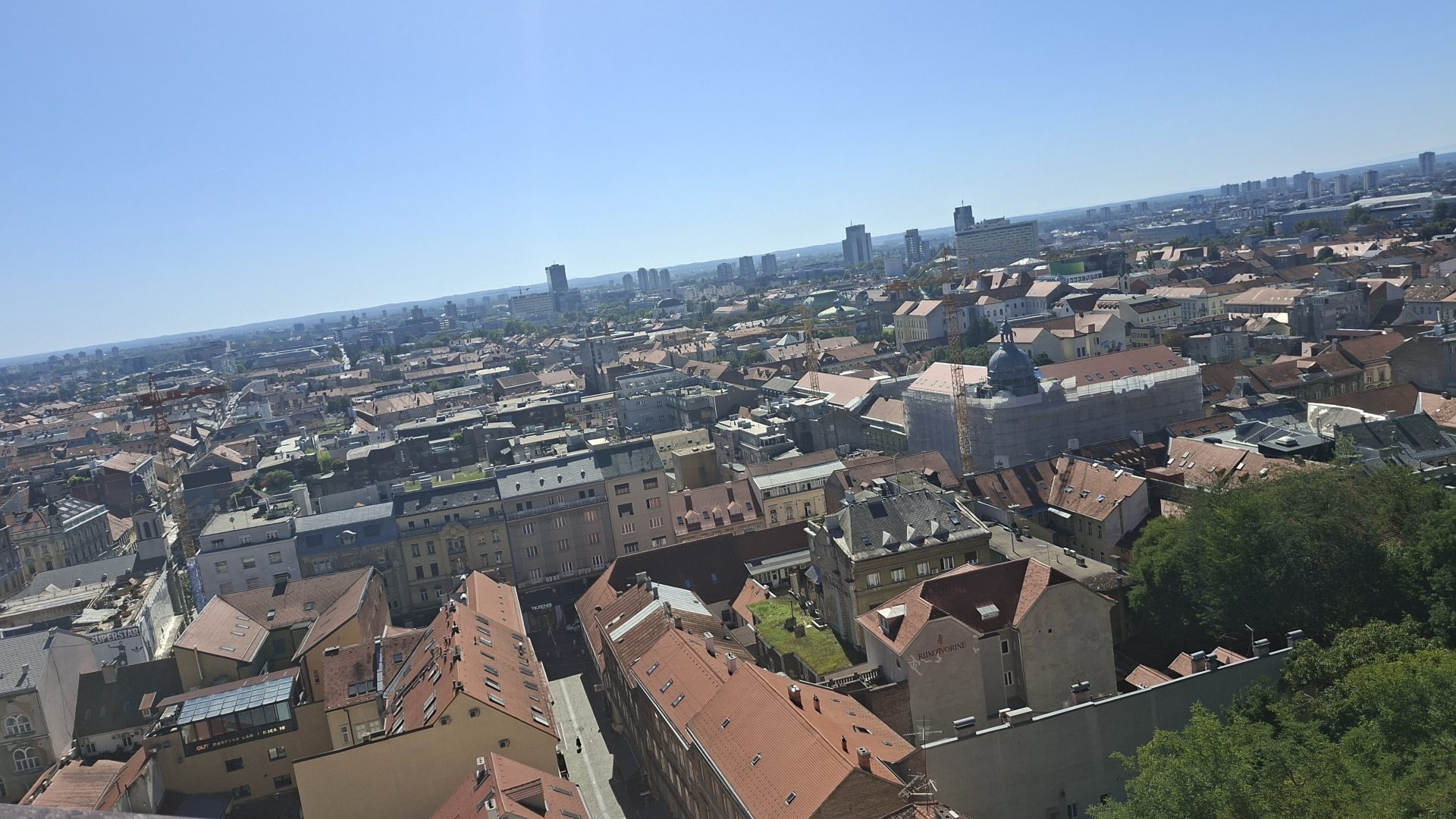
Travel can work like a mirror. A different city makes small things visible, things you might never question in your own. Streets, transport, and public spaces reveal what works and what does not. That is how I experienced Zagreb and Dubrovnik, two cities in Croatia. Both have strong identities and long histories, but they approach accessibility in very different ways.
Zagreb, closer than expected
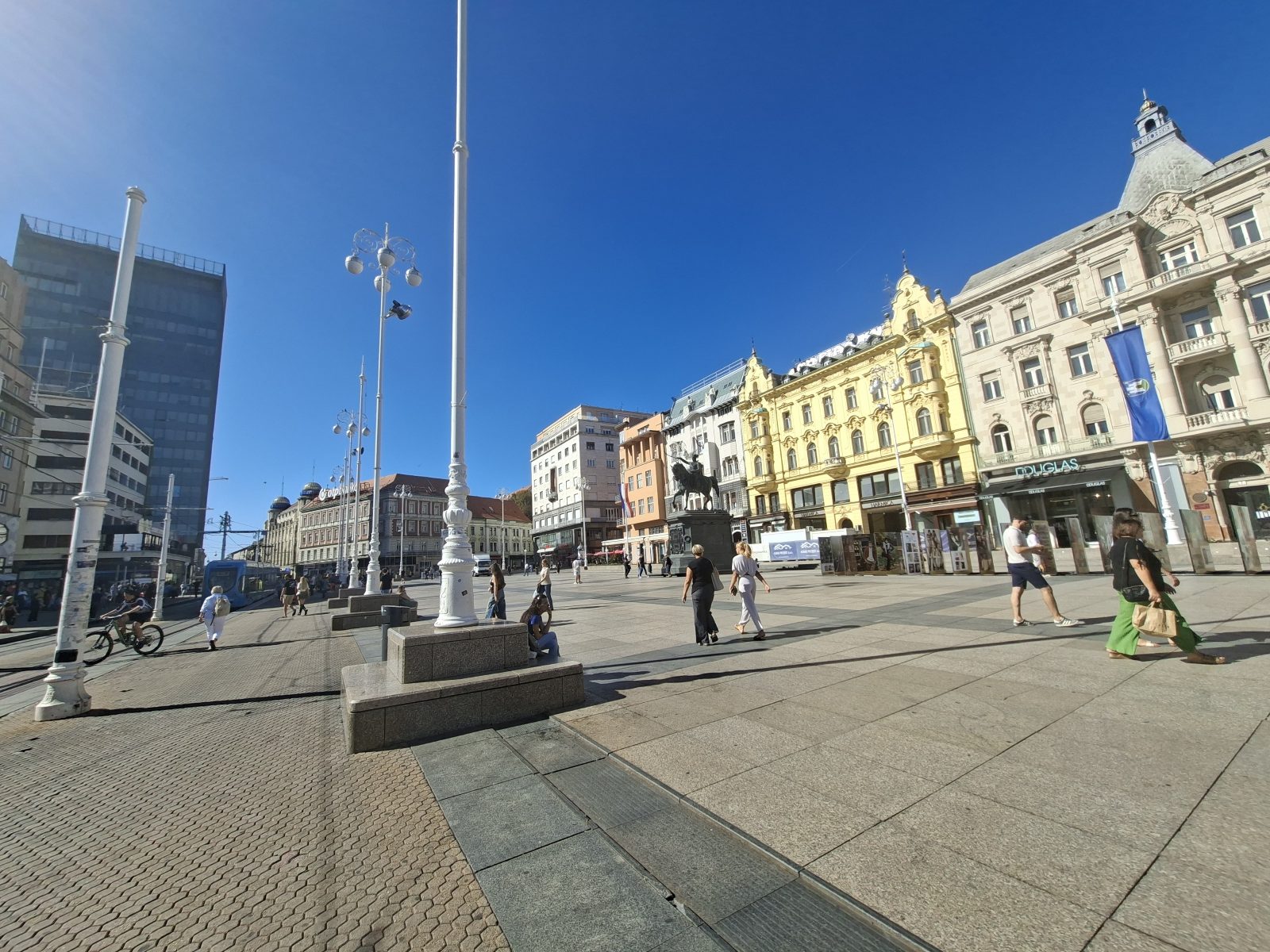
Something about Zagreb felt close to home. It reminded me of Sofia as I moved through the city. The key difference is infrastructure. Zagreb’s city centre feels more carefully maintained, even where small historic streets are preserved. Walking in the centre often feels easier because pavements are smoother and crossings are more predictable. Still, like Sofia, Zagreb has a long road ahead before its streets are truly navigable for everyone.
Public transport felt familiar too. New and old trams run together. Some have working announcements and easier boarding. Others have steep steps and no audio information. For blind passengers, this makes each journey unpredictable.
Many landmarks and visitor attractions were under reconstruction during my visit. Renovation brings some hope. It can be a chance to add access features. One famous landmark, the Lotrščak Tower, stood out. Reaching it is already hard for visitors with reduced mobility. When the funicular is closed, the climb is unavoidable.
I visited at that time and went up on foot. The climb was steep and hot. I kept thinking about how people managed this many times a day in the past.
A Moment of Discovery
One moment in Zagreb stayed with me. I found a tactile city model by chance. A group of tourists had stopped there, taking photos and pointing at details. Naturally, we joined them to see what it was.
The model was usable for blind visitors, but it did not feel designed for us. It felt like an attraction first, an accessibility feature second. To understand it fully, you still needed a sighted person to explain what was what. At first, you need some imagination to realise that the small posts with round tops are trees.
Even so, the model helps you picture the city and its scale. I’ve seen similar models in Ljubljana and Barcelona, and I always stop for that moment of discovery.
This kind of access helps, but its purpose is not always clear. As in Sofia, preservation comes first in Zagreb, and accessibility depends on individual efforts.
Dubrovnik: Tourism First
From there, our trip continued south to Dubrovnik. My first impression was blunt. This is a city built for tourists. Attractions, transport, and restaurants all seemed designed for tourists. Prices made me wonder how locals manage daily life.
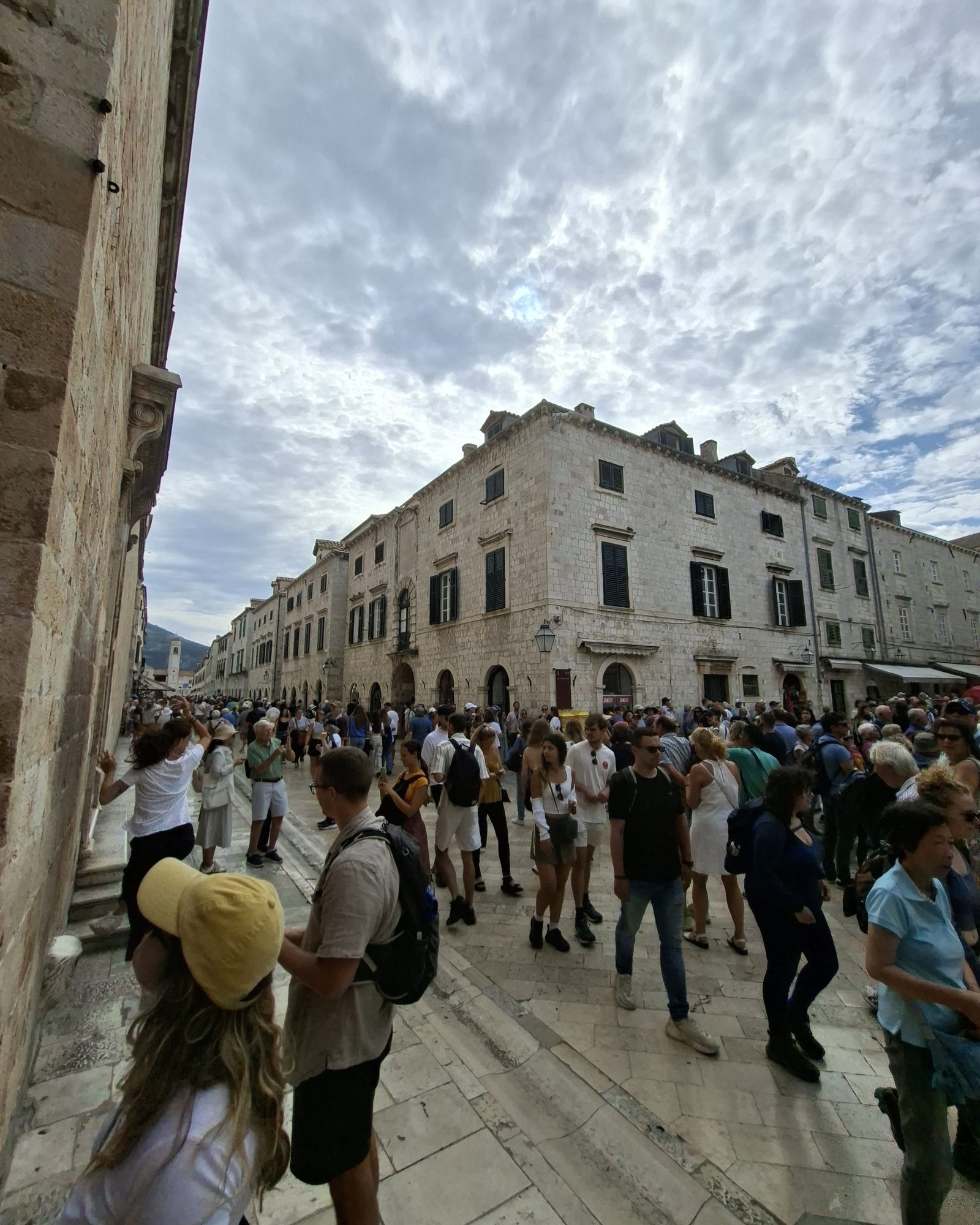
The Old Town is challenging not only for people with disabilities, but for anyone who does not do regular sports. The narrow streets are crowded, most buildings have stairs, and information is mainly visual.
Dubrovnik does have bus lines serving the area, but one practice deeply worried me. Drivers let buses fill to the limit. It is unsafe and not acceptable. It happens elsewhere too, but it is still wrong.
Dubrovnik raises a hard question. Should history be preserved at all cost, and can accessibility exist together with 13th-century town planning?
What bothered me most was the push to charge for everything. Climbing the city walls costs around 40 euros, while the walls of Lucca in Italy are greener, more spacious, and free to walk.
Mixed Feelings, Moving Forward
Dubrovnik did not feel welcoming. Zagreb felt more familiar, like Sofia. Overall, the trip left me with mixed feelings.
A few days on the Adriatic coast helped me slow down. The sound of the sea clears my head. I returned home with lots of photos and ready to begin a new chapter.
Travel does not always leave me energised, but I would still choose to visit a new place and experience it fully, ups and downs included.

