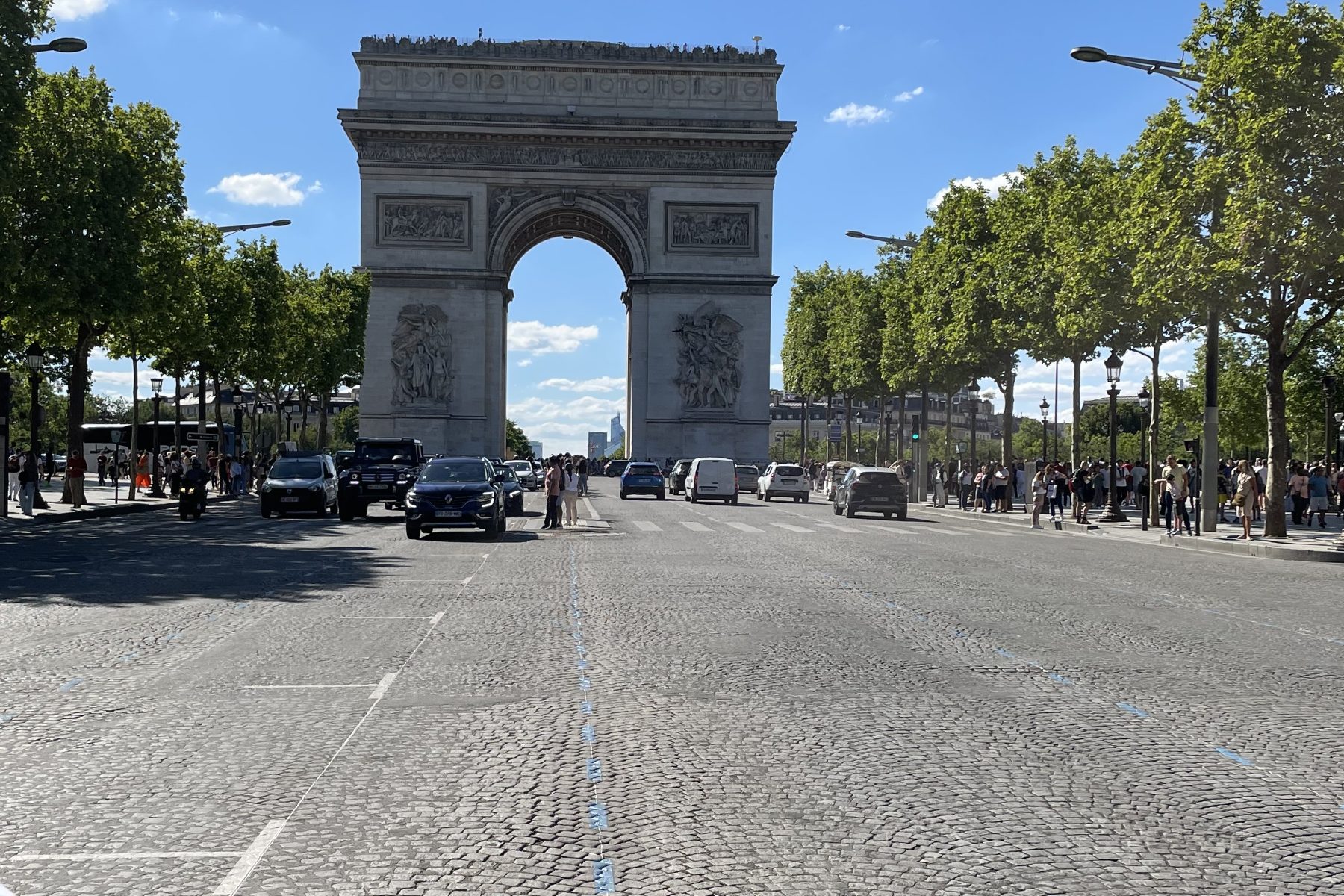
Paris was never planned as an accessibility project. It was planned as a surprise for my mother. I booked the trip thinking about timing, crowds, and tickets, not about access features. At that point in my life, accessible simply meant I could manage things on my own, without needing extra help. That expectation shaped everything that followed. Paris surprised me quietly.
Before arriving, I bought official tickets for the Eiffel Tower and for a boat tour on the Seine. Both websites worked well with my screen reader. I got through the checkout without help, and that already felt like a small win.
The Eiffel Tower: An Unexpected Moment
The first real surprise came at the Eiffel Tower itself. We climbed the stairs to the first level, which sits about 57 meters above the ground. It is real work, not a symbolic climb. After the climb, we stopped for coffee and walked around the platform.
Then my mother took my hand and placed it on a panel. It was a tactile display with relief drawings and Braille text. The panel showed towers from around the world. I started reading heights, shapes, and locations. I noticed how many of the tallest towers were in China and compared them with the Eiffel Tower itself.
I was fully absorbed. Later I learned that my mother found my reactions so funny that she filmed me. Watching that video, I laughed a lot. I sound curious, focused, and just amazed.
The Seine Boat Tour
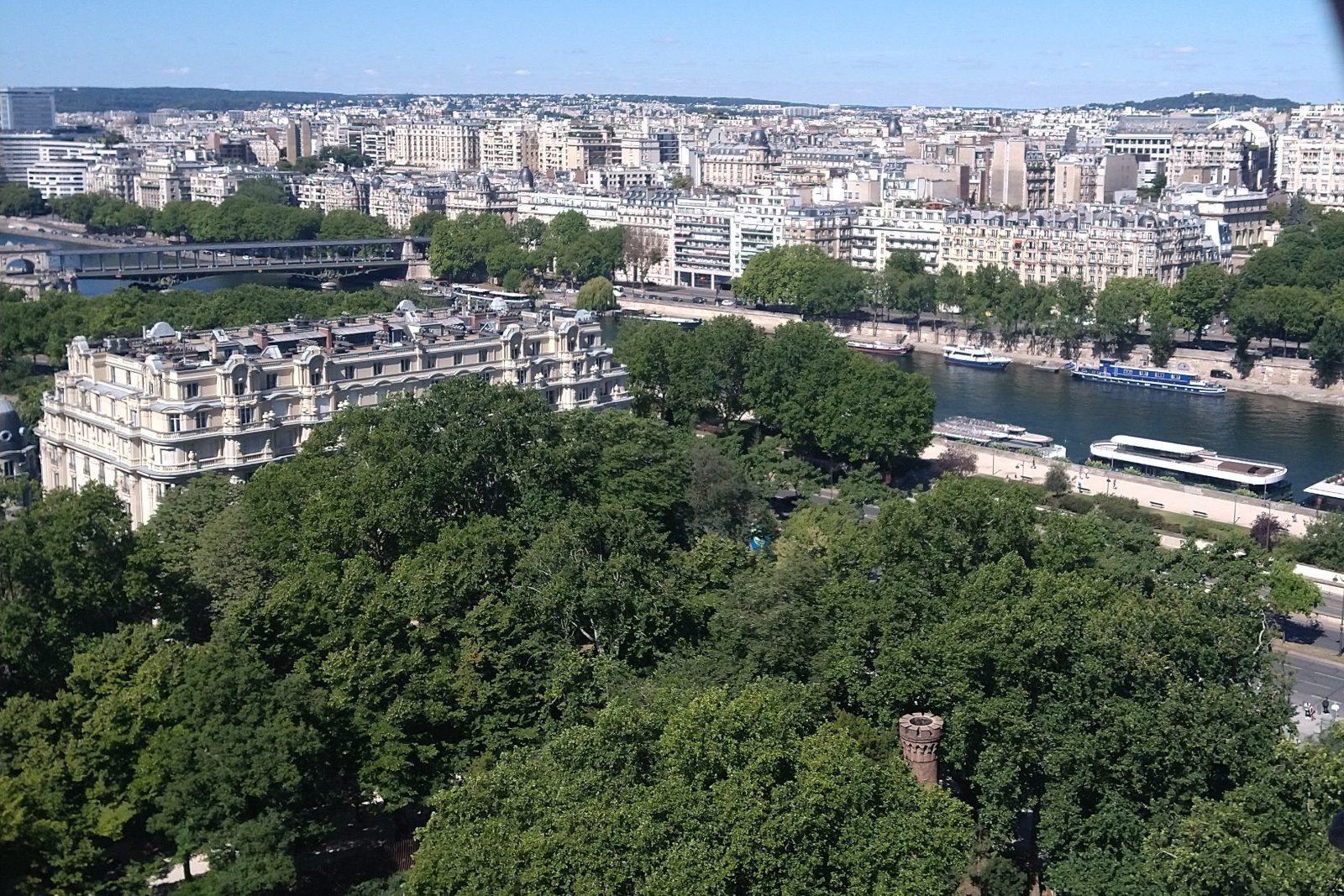
The boat tour on the Seine was another positive experience. Each seat had a handheld audio device, like an old telephone receiver. I found the English channel and listened as we passed bridges and landmarks.
I enjoyed the short stories while my family rushed for window seats and photos. No one had time to describe the views, and the audio guide helped me stay part of the experience.
The Louvre and Tactile Art
The next day we visited the Louvre Museum. Friends who live in France had told me that on the first Sunday of each month, entrance is free for everyone. We joined the crowds and headed to the information desk.
I asked about audio guides. Instead, the staff member handed me a heavy book. Inside were tactile reproductions of some of the museum’s most famous paintings.
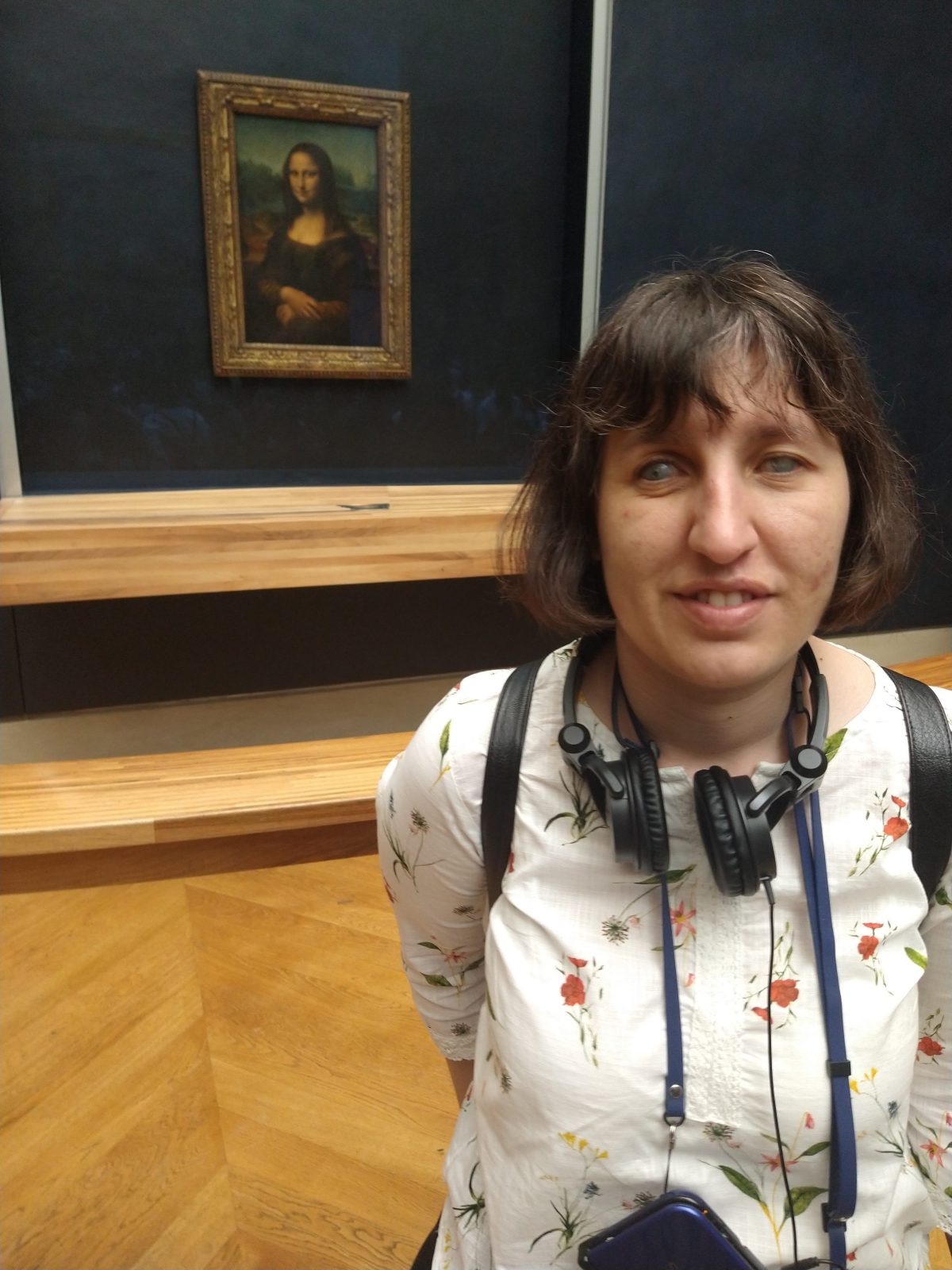
I did not expect that. Touching the raised lines felt old and familiar. It reminded me how much I loved drawing as a child. That helped me understand the images, but many details are lost when something so visual is turned into touch.
The audio guide itself was harder. I struggled to make it work. After a few minutes, I gave up. I stayed close to my mother and followed her pace. She really enjoyed the museum. I was happy to be there with her, even if the access for me was not enough.
Looking Back
Overall, nothing specific stood out. Accessibility was just there without making noise. Paris is very careful about preserving its history and appearance, and accessibility is added in a way that does not change that. This works in many cases, but some access features are easy to miss if you do not speak French.
Still, I would not advise visitors from abroad to skip their research as I did. Paris likely has many more hidden accessibility features, and maybe one day I will visit again to prove that.

