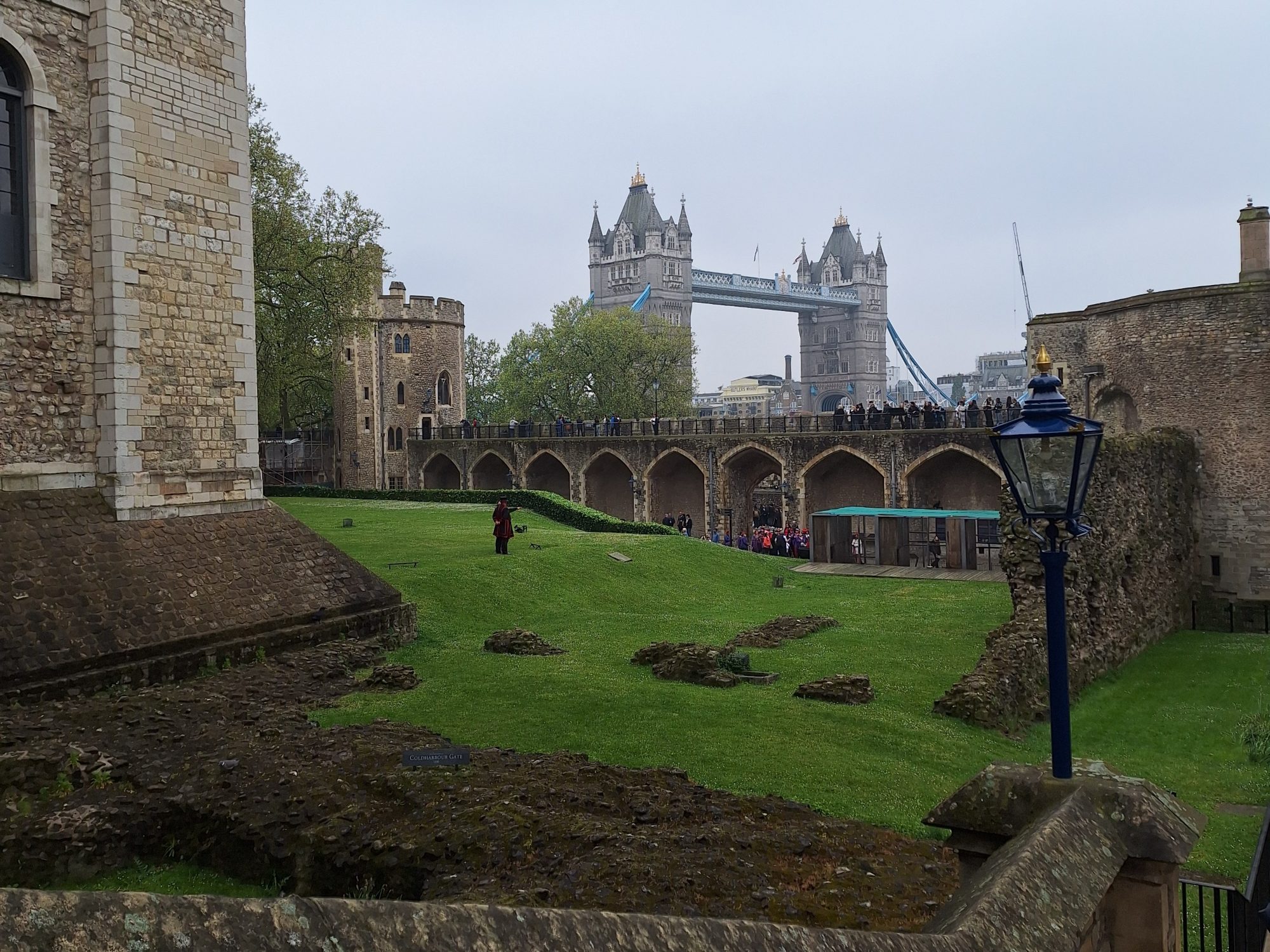
Visiting London was a dream I had carried with me since my teenage years. It was one of those places I imagined for a long time before I could actually go there. London is an expensive city, and I could afford only three or four days. Because of that, I had to plan very carefully which places I would visit.
One important thing made the trip easier from the start: language. My English is fluent, and that gave me confidence. I knew I could ask questions, explain my needs, and be understood everywhere. That sense of ease is a form of accessibility that is often overlooked.
Choosing experiences, not checklists
During my research, I chose a few key places. The Tower of London was at the top of the list because I am passionate about European medieval history, especially English history. I also planned a visit to the British Museum, as London’s museums are widely praised.
Westminster Abbey entered our plans by chance because we received free entry. Without a booked guide, however, the visit did not leave a strong impression on me. Most objects were behind glass, and I relied on my own knowledge and my mother’s descriptions.
The London Eye offers an accessible experience, and the staff there are well trained to support different disabilities. Still, as a blind visitor, I did not find it very exciting. The highlight was the weather. We had clear blue skies and sunshine, which is not very typical for London, and we got some lovely photos.
Arriving at the Tower
Visiting the Tower of London with a guide requires booking in advance. I had some trouble finding my guide at first because the meeting instructions were not very clear. I called the office, and within a few minutes the situation was resolved.
My guide was impossible to miss. He was very tall, had a strong voice, and a calm, warm presence. From the beginning, he treated me with respect, without drawing attention to disability or assistance.
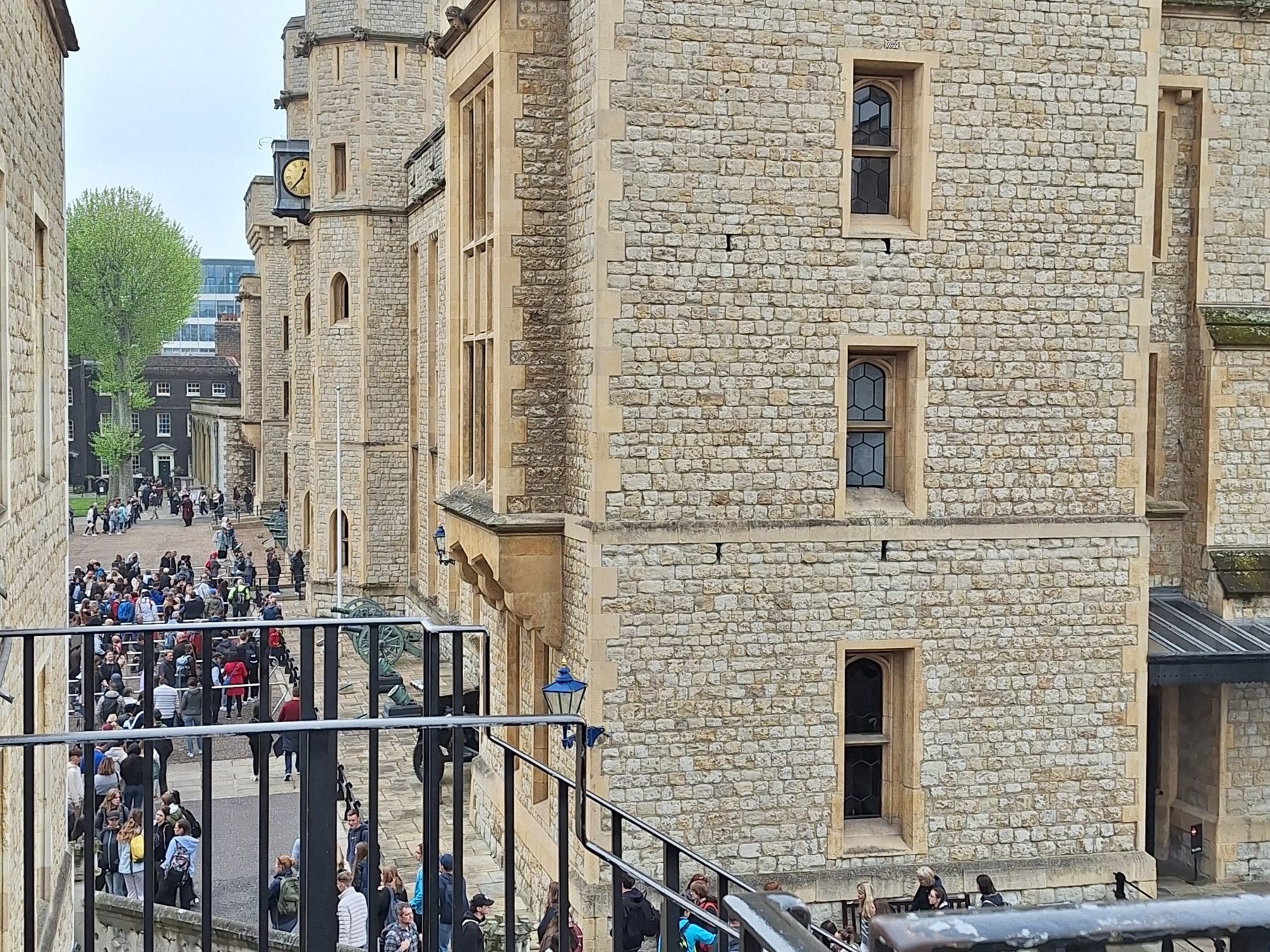
When we reached the Crown Jewels area, it was crowded. Without making a scene, he asked people to step back so I could explore the replicas by touch. I still remember his words: “Please make some space for my guest.”
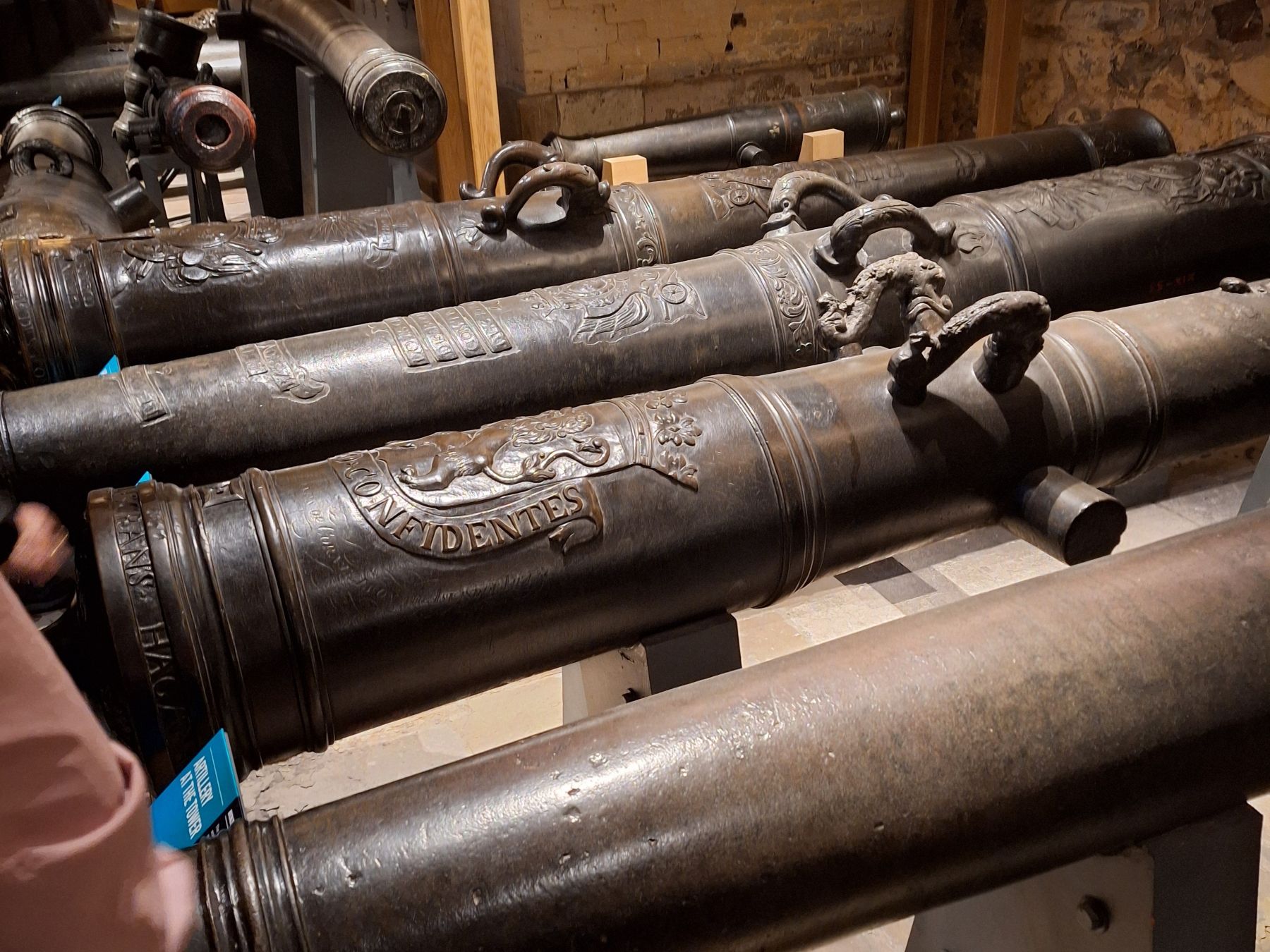
In the armour halls, he invited me to touch different pieces, including chainmail shirts that are usually not available to visitors. Through touch and explanation, history became real and physical.
When access comes from a person
The guided tour lasted about one hour. After that, we were free to explore the Tower on our own, within the limits of the site. From my observation, the Tower is not accessible for people with physical limitations. Narrow staircases, uneven surfaces, and steep passages are part of its nature.
What changed everything for me was the guide. Through clear descriptions, good pacing, and storytelling, the Tower became understandable without being physically altered. I remember feeling special, and that feeling matters.
At the same time, it raises an important question. Should access feel special, or should it feel normal? When access depends on people rather than design, it can be powerful, but it is also fragile. It exists when the right person is there and disappears when they are not.

