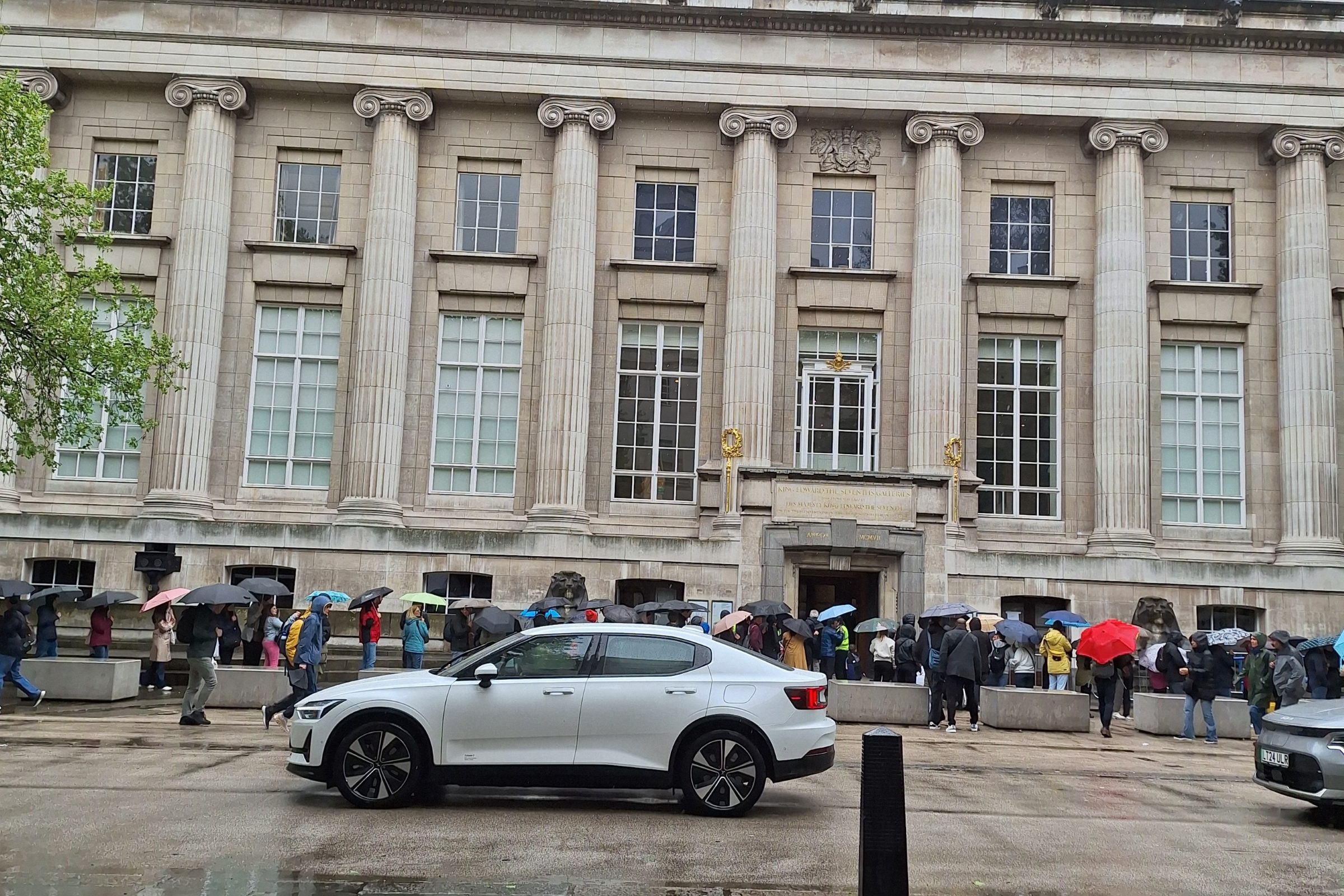
When I visit a new city, I usually avoid museums. This may sound strange, because I love learning new things. The reason is simple. Most museums are built for people who see. Objects sit behind glass. Information lives on walls. Touch is often forbidden. For me, this kind of visit feels distant and tiring.
I often prefer spending time outdoors, where streets and parks help me understand a place naturally. If a museum only offers an audio guide for objects I cannot touch, I could get the same information from my phone while walking outside.
Deciding to visit the museum
Before my trip to London, I heard that some museums offer guided tours for blind visitors. I wanted to try at least one. Another detail helped my choice. Many museums in London have free entrance. After reading blog posts and personal stories, I decided to visit the British Museum.
The guided tour had to be booked in advance. After my first email, I was asked to choose which gallery I wanted to visit. The options were the Egyptian collection or the Parthenon Gallery. I did not spend much time researching. I know that Egyptian history is not my favorite subject, so I chose the Parthenon.
Meeting the guide
The visit was smooth, but the day was challenging, with steady rain, low clouds, and heavy traffic. I arrived at the museum and told the staff I had a booked guided tour. I was asked to wait for my guide.
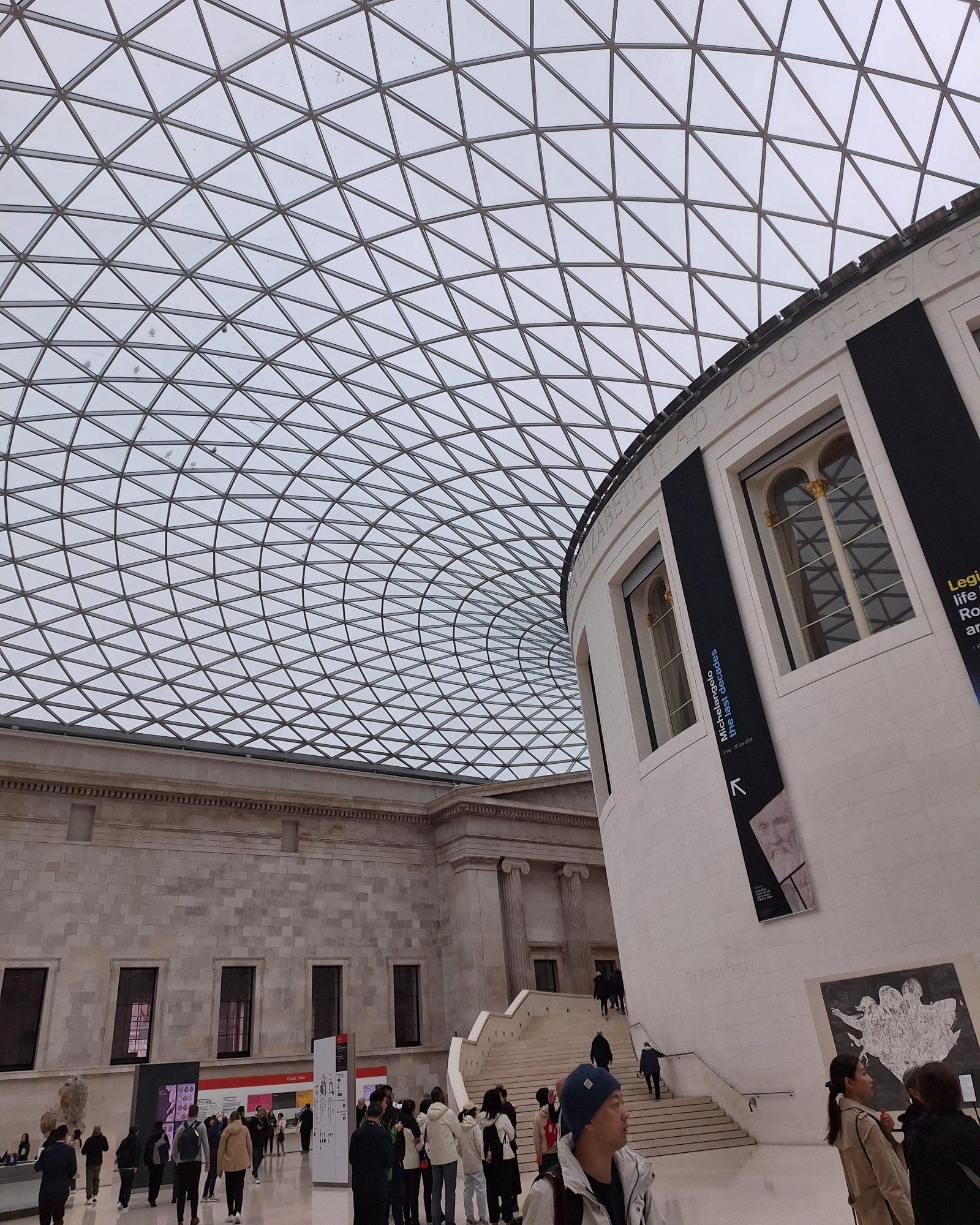
I found out that the guides are volunteers, not regular museum staff. In my case, this worked very well. My guide was calm, patient, and very knowledgeable. She also knew how to tell a good story.
The Parthenon Gallery
I was lucky for another reason. The Parthenon Gallery is closely linked to Greek mythology. Not long before my trip, I had read Mythos by Stephen Fry. Many of the stories were still fresh in my mind. This made it easier to connect what I heard with what I already knew.
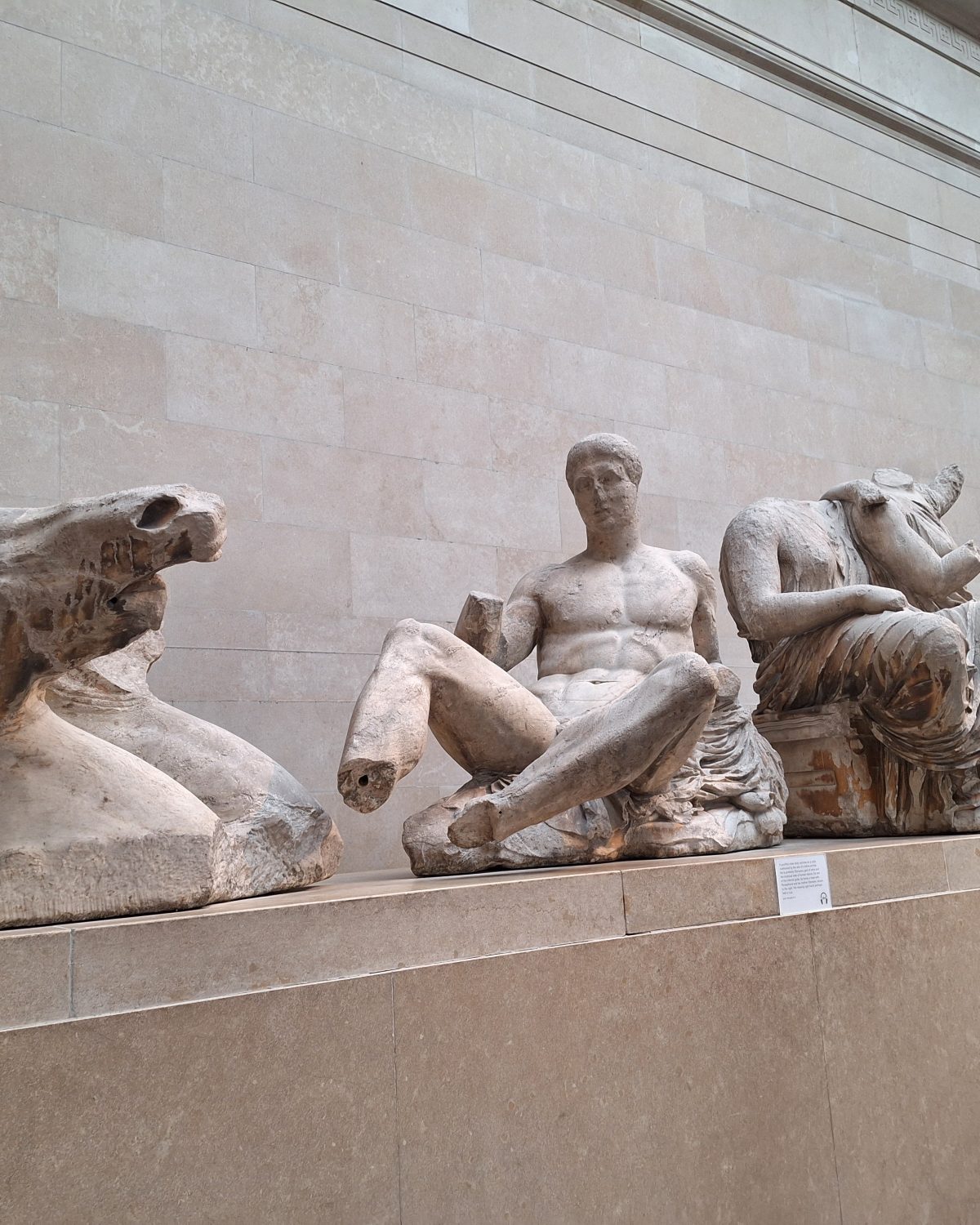
The Parthenon Gallery is large. It contains many artefacts from the ancient temple in Athens, built more than two thousand years ago. One of the most important parts is the long frieze that once decorated the temple. It shows a ceremonial procession with people, horses, and gods.
The frieze is carved in low relief. This made touch possible. I could feel the horses, the human figures, and the details of their clothes. The positions of bodies and the movement in the scene were clear through touch.
There is also a large tactile model of the Parthenon. It helps explain the shape of the temple and how the parts fit together. Even with the model, imagining the full size and proportions is still hard.
Some sculptures could not be touched at all. Many are damaged or very fragile. In those moments, my guide described them in detail. She also explained the myths connected to each figure.
Effort, access, and limits
By the end of the tour, I felt very tired. Not because it was boring, but because it required full attention. As a blind visitor, I had to listen closely all the time. I had to build images in my mind without breaks. This kind of focus is demanding.
The visit confirmed something I already suspected. Museums require understanding of time, people, and events, not just objects. Sighted visitors often get this understanding quickly through vision. Blind visitors must work for it through listening and imagination.
The British Museum offers guided tours for blind people in only two galleries. This is not full access. Still, it is a step. I understand how complex museum access can be, and I value the effort of the volunteers.
Even so, I still prefer walking through the city. Busy traffic, people speaking, chaos, and silence shape how it stays in my mind.

