This page shares how my experiences shaped my understanding of accessibility and its impact on everyday life.
Early Curiosity
I have always enjoyed making things work. Growing up in the 1990s, before digital tools were common, I spent hours creating things by hand. I built tiny chairs and tables from leftover wood, made booklets from old magazines, and recorded little radio shows with my brother. I also built endless LEGO scenes. None of it felt like design at the time. It was simple curiosity and the joy of making something new.
Learning to Adapt
That same curiosity stayed with me as I started school. I was born blind, with only light and colour perception, and access to specialized education often came with obstacles. I was determined to learn English even though the tools were costly and early laptops had few features. During high school, with help from my family and teachers, I used whatever tools I had and built my own study methods. Many blind friends turned to me when they needed help with screen readers, documents, or laptops. Working with them pushed me to learn faster and explore features many users never try.
University brought new challenges. I scanned my own textbooks, prepared notes for exams, and relied on advanced screen reader commands to keep up. When smartphones arrived, many blind users were unsure about touchscreens, but I wanted to master them. That motivation still guides me today. I use mobile apps for much of my daily life, even when accessibility is left out. My coffee machine’s app still loves to test me.
Finding Independence and Direction
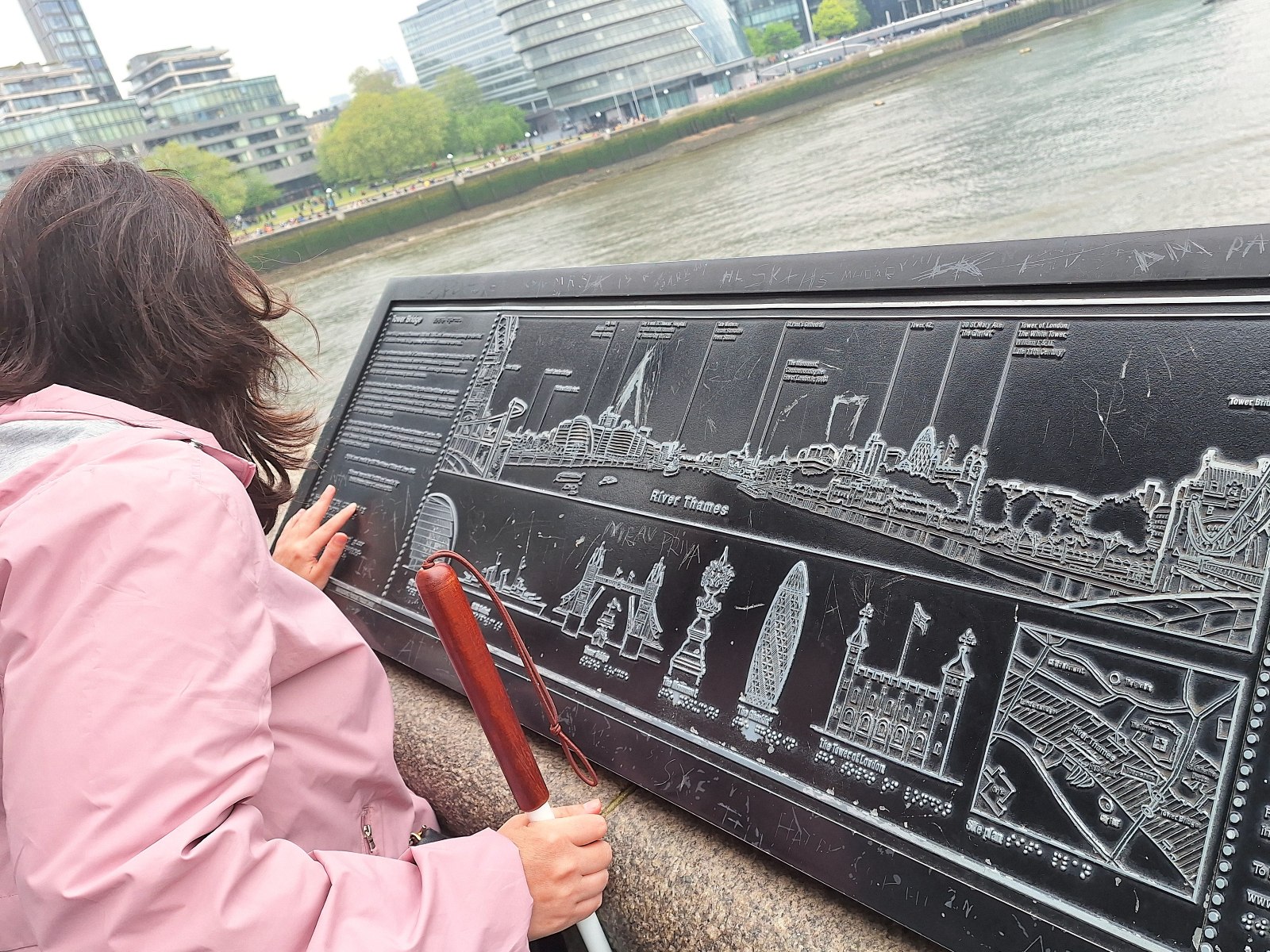
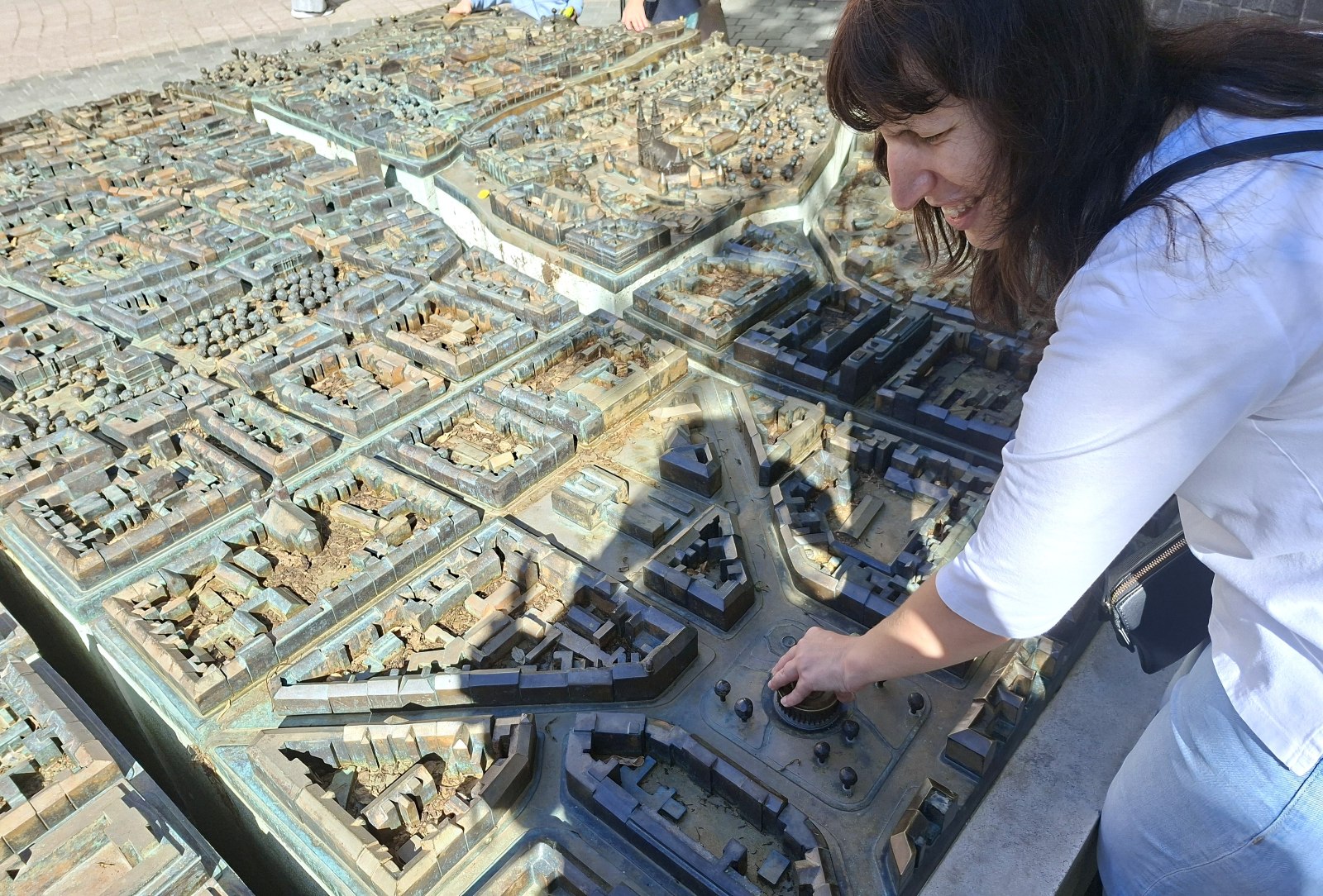
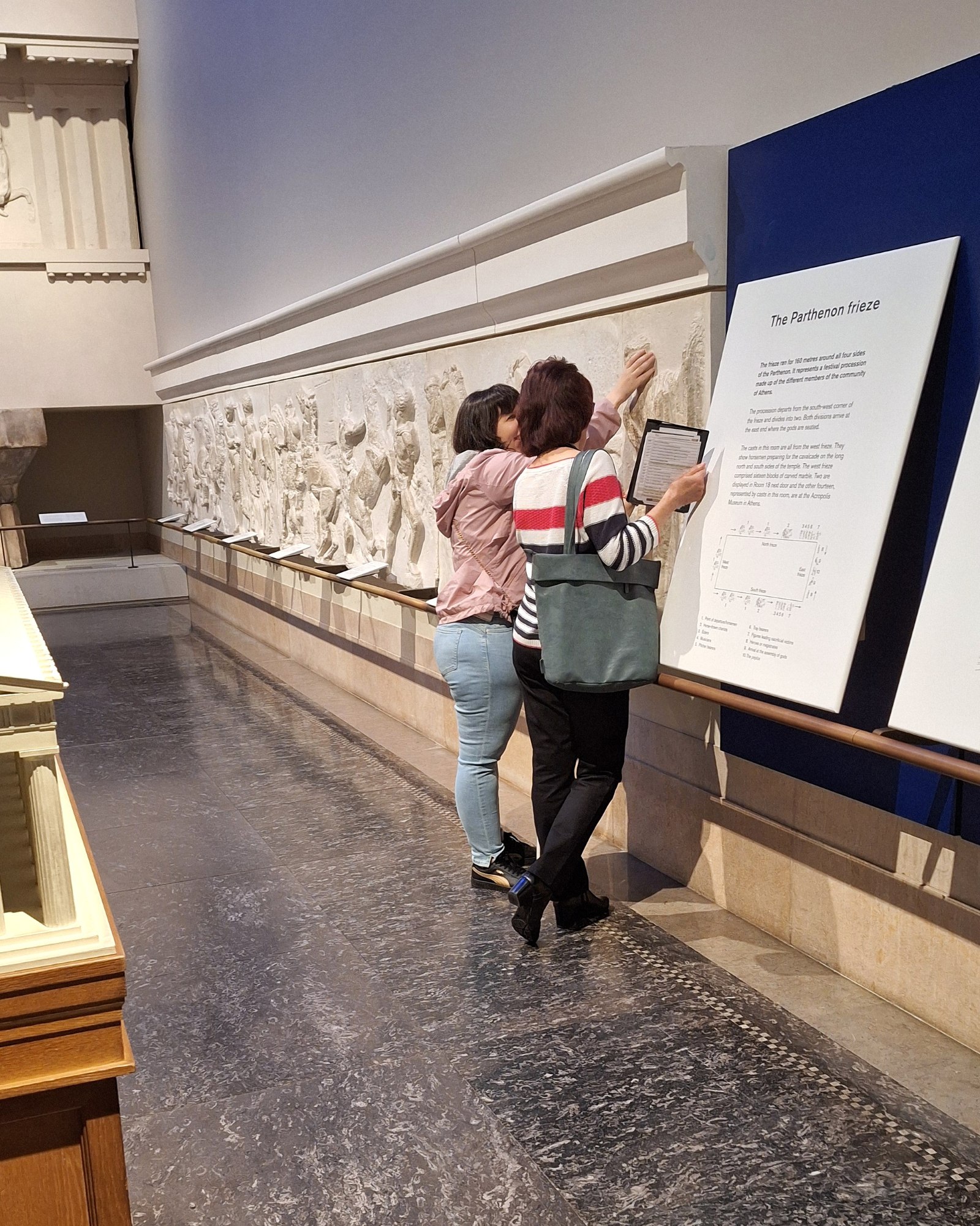
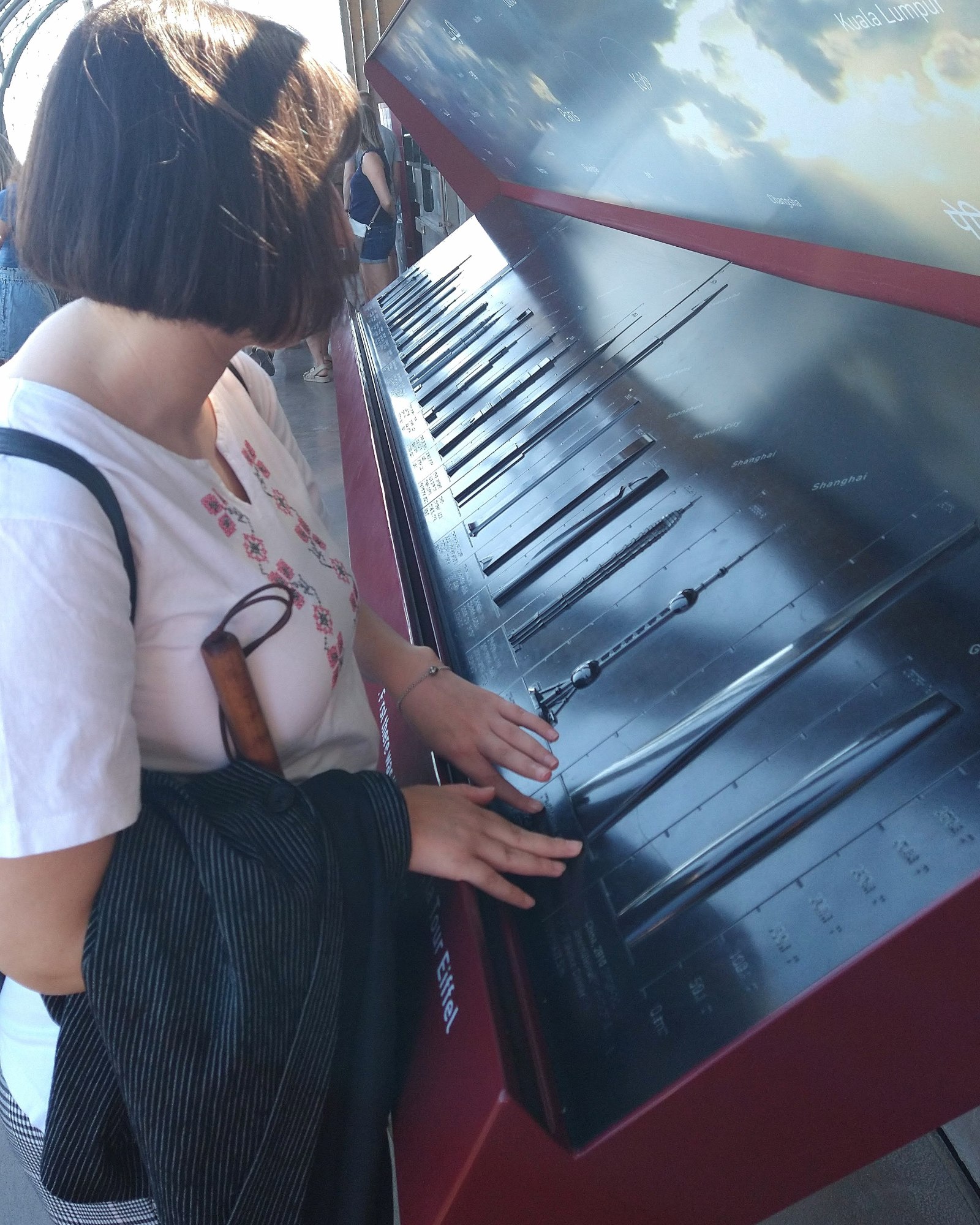
Mobility has shaped me as much as technology. I learned to walk with a white cane as a teenager and slowly gained the confidence to explore new places on my own. I use buses, trams, taxis, trains, and planes, and I often travel solo. Over the years I have lived for short periods in The Hague and Brussels and visited cities such as London, Paris, Vienna, Zagreb, Rome, and Berlin. Each place taught me something about public space, navigation, and inclusion. Travel showed me how much independence depends on the design of the environment, not only on personal skill.
Accessibility in the World
Alongside this, I completed a Master’s degree in Law and gained the right to represent legal entities. I also co-founded a non-profit that helped visually impaired young people build skills for work and everyday life. For four years I managed projects, created training materials, and joined Erasmus+ exchanges across Europe.
My work then moved toward technology. I joined an IT support team that used specialized software for clinical trials. It was my first role in a large international company, where technology, accuracy, and accessibility sometimes clashed. I learned how to fix complex issues, create simple workarounds, and explain how inaccessible tools affect real workflows.
I later earned a paid traineeship at the Council of the European Union, which came after a lot of persistence and a few attempts along the way. Those five months in Brussels were busy and full of new ideas. I worked on employment and social policy and joined projects linked to inclusion. The experience showed me how complex international policy is and how those decisions shape the daily lives of real users.
What Guides My Work Today
After my time in Brussels, I wanted to build stronger technical skills. I earned the IAAP CPACC certification and completed training in QA software testing. For more than twenty months I worked in a company that tested websites and mobile apps in sectors such as banking, retail, telecommunications, and e-commerce. Today I continue this work as a freelancer. I also explore development on my own. Building and customising this website has taught me more about HTML, semantics, JavaScript, and the reality of WCAG than any textbook ever could.
My journey showed me how much accessibility, or its absence, shapes us. When something is not accessible, we learn to adapt, to solve problems, and to move forward. Today my work aims to ensure that future generations will not need to adapt in the same way. Instead, our technology and our environments should adapt to people. That is what good design means to me: built to be accessible, usable, safe, and sustainable from the start.
If you want to see more of my professional path,
my LinkedIn profile
has the details.
Let’s Talk Accessibility
If you’d like to explore how I can support your work, here are two easy ways to start.


